What a client GEO report should contain
When a client asks "do we show up in ChatGPT?", a screenshot does not settle it, because the same question returns a different answer an hour later. A defensible report asks a fixed list of questions on a schedule and keeps the results on separate lines. A mention (the brand name appears in the answer text) and a citation (a client page is listed as a source) are different events; fold them into one score and you cannot tell which work moved what.
The table is an illustrative example: "Örnek Mobilya" ("Sample Furniture") is not a real client, and every figure and brand name is made up to show how the lines read. None of it is a result or a benchmark.
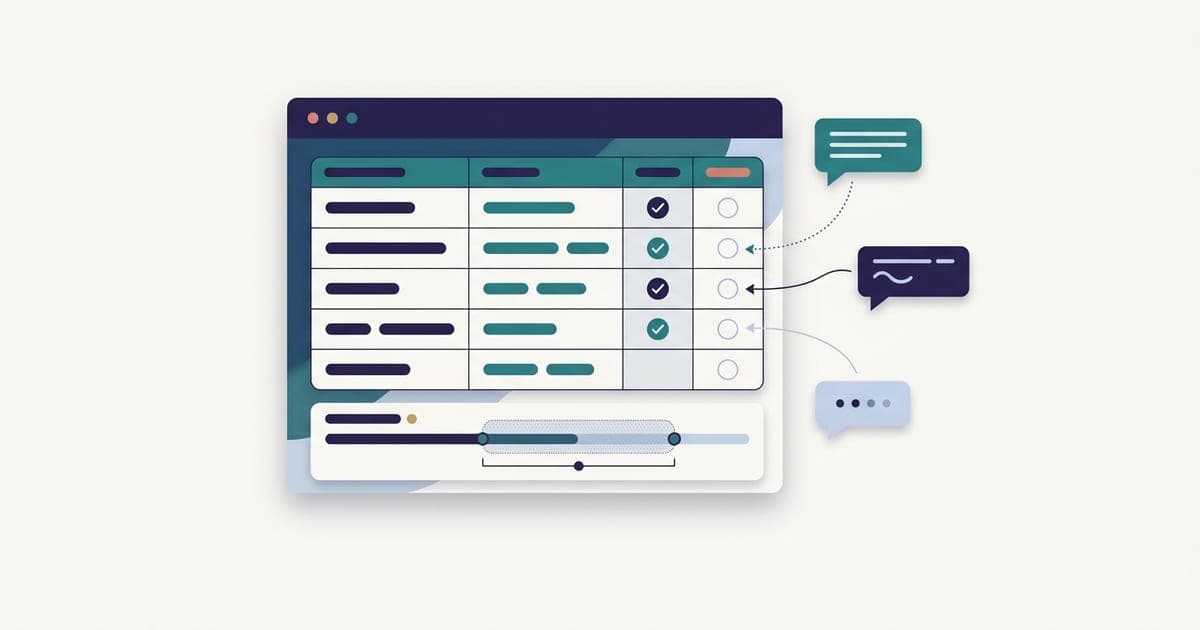
| Line | Illustrative example (Örnek Mobilya, last 28 days) | Where it lives in SEOLOK |
|---|
| Questions × engines measured | 20 questions × 3 engines (ChatGPT, Gemini, Google AI Mode), four weekly rounds | PDF |
| Measured answers | 212 (the rest: no answer from the engine, or the ask did not complete) | PDF |
| Mention rate | 18%, likely range 13–24% | PDF; range on the dashboard |
| Citation rate | 7%, likely range 4–11% | PDF; range on the dashboard |
| Most-named competitors | Brand A, Brand B, Brand C, each with its share of answers | PDF (top four brands); all on the dashboard |
| Most-cited sources | A forum, a review site, a news site, Brand A's website. Client absent from: the forum and the review site | Dashboard → Sources |
| Client pages that were cited | The "choosing sofa fabric" guide (6 answers), the delivery and returns page (3 answers) | Dashboard → Pages |
| Actions for next month | Write a comparison page for the "corner sofa" question; complete the review-site profile; answer the forum thread | Dashboard → "What to do", plus your judgement |
How SEOLOK produces it
AI visibility tracking keeps a separate question list for every client site. The questions go to ChatGPT, Gemini and Google AI Mode every Monday, and you can start a round by hand before a meeting (with a daily cap per site). Measurement is at country level, in the logged-out view.
Code reads the answers, not a language model: is the brand name or one of its saved spellings in the text, is the client's domain among the sources, which other brands are named. Each rate comes with its likely range, and below six measured answers there is no number. The comparison with the previous 28 days uses only the question-and-engine pairs measured in both periods, so questions added mid-month cannot manufacture a rise or a fall.
What the PDF includes, and what it leaves out. The monthly PDF from the SEO reporting tool, generated on the 1st, carries an AI visibility section: the number of questions, the visibility rate (mentioned or cited) with its range and answer count, the change since the previous period, the mention and citation percentages, a per-engine table, the four most-named brands and up to three questions where the client never appeared, with the brands named instead. Without a rate worth defending, the section is omitted.
To be plain about the gaps: the list of source sites, the client's cited pages, the "What to do" items and the separate ranges for the mention and citation rates are not in the PDF. You copy those lines into your own commentary from the Sources, Pages and overview screens.
Competitor analysis: who is named instead of your client
This is usually the line a client reads first. SEOLOK counts every brand that appears in the answers and puts the client next to its competitors in a "who is named" table. You can follow up to 10 competitors per site, and brands the engines mention that are not on your list show up as well.
Questions with at least three measured answers and no appearance by the client are listed with the brands named in their place. The "What to do" screen then splits them two ways:
- The client already has a page that shows in Google for the topic: strengthen it.
- No such page exists: write one that answers the question.
A competitor that is clearly ahead, or an engine where the client appears far less than in the others, becomes its own item.
Source tracking: which sites feed the answers
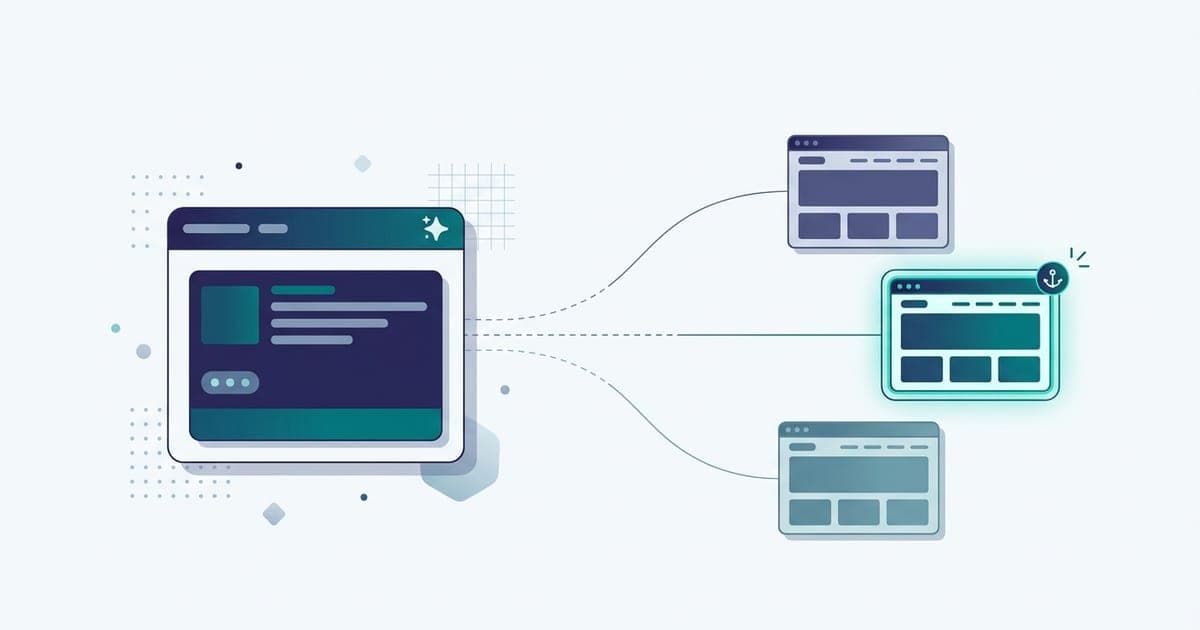
Most of the time the source behind an AI answer is not your client's website. The Sources screen groups the cited domains by kind: forums and communities, news sites, review sites, directories, marketplaces, video and social platforms, reference sites, competitor sites and the client's own.
The monthly work comes from the list of "sites that feed the answers while you are absent": domains cited where the client was neither mentioned nor cited, flagged when a competitor was named in the same answer. What you do depends on the kind of site:
- Review site or directory: is there a current client profile?
- Forum: can someone post a useful, non-promotional reply?
- News site: should PR go on the plan?
- Competitor site: which page was cited, and does the client have an equivalent?
The Pages screen shows the reverse: which client pages were cited, in how many answers and by which engines.
Setting it up for each client
- Add the site and enter the brand name with its alternative spellings.
- Write the questions the way the client's customers ask them: brand, category ("which is the best …") and informational. Keep the list stable through the month.
- Add competitors (up to 10).
- Wait four weeks. The first month has no earlier period to compare against; present it as the baseline.
- At the start of the month take the white-label PDF and add the source lines, page lines and three or four actions.
To try a single question before a pitch, the free AI visibility checker needs no account. On why these metrics stay apart, see how to measure AI search visibility; for a framing to reuse with clients, see what is generative engine optimization.
What it does not do
- It makes no visibility promise. SEOLOK is software, not an agency service; the content and off-site work is yours.
- It does not measure Perplexity or Claude. Three engines only.
- It reports no rank, position or sentiment.
- It does not measure by city. Measurement is at country level.
- It does not put visits or conversions in this section. Report traffic from AI assistants from the client's analytics, on its own line.
- It is not a client portal. The report is shared as a PDF.
- It gives no tight number from a short list. Five questions produce a wide range.
The rest of multi-client work is on the SEOLOK for agencies page; plan limits and prices are on pricing.